Portable Smoke Flavor Science: Master Wood Pellet Chemistry
By Priya Nayar • 26th Jan
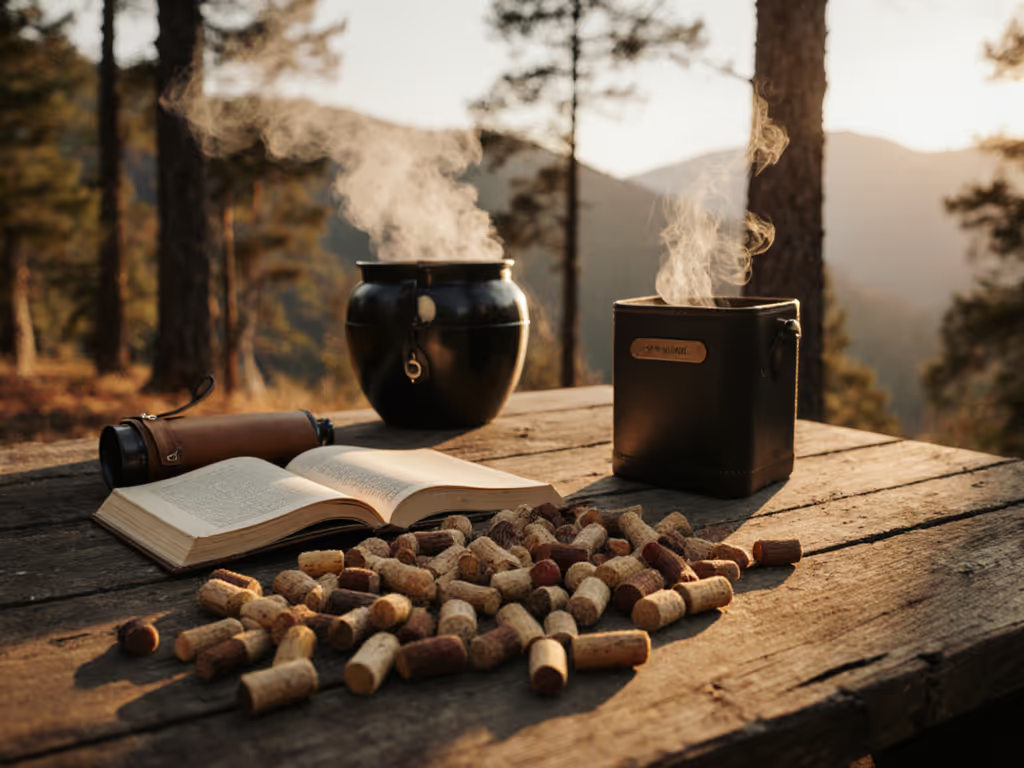
Forget showy backyard rigs, portable smoke flavor science starts with what fits in your hall closet, trunk, or backpack. As someone who's grilled on park benches while commuters sprinted past, I know the difference between having a grill and using one. The best portable system isn't the fanciest; it's the one you'll actually fire up when wanderlust hits. Remember that overnight train ride to the coast? A butane shortage nearly wrecked dinner until my tiny adapter bridged the gap. That's when I learned: Carry the fuel you can buy twice in any town, because boutique pellets won't matter if you're stranded without smoke. Let's unpack the real-world chemistry that makes mobile smoke work (not just in theory) when the wind's gusting and your friends are hungry.
Why Portable Smoke Needs Different Physics
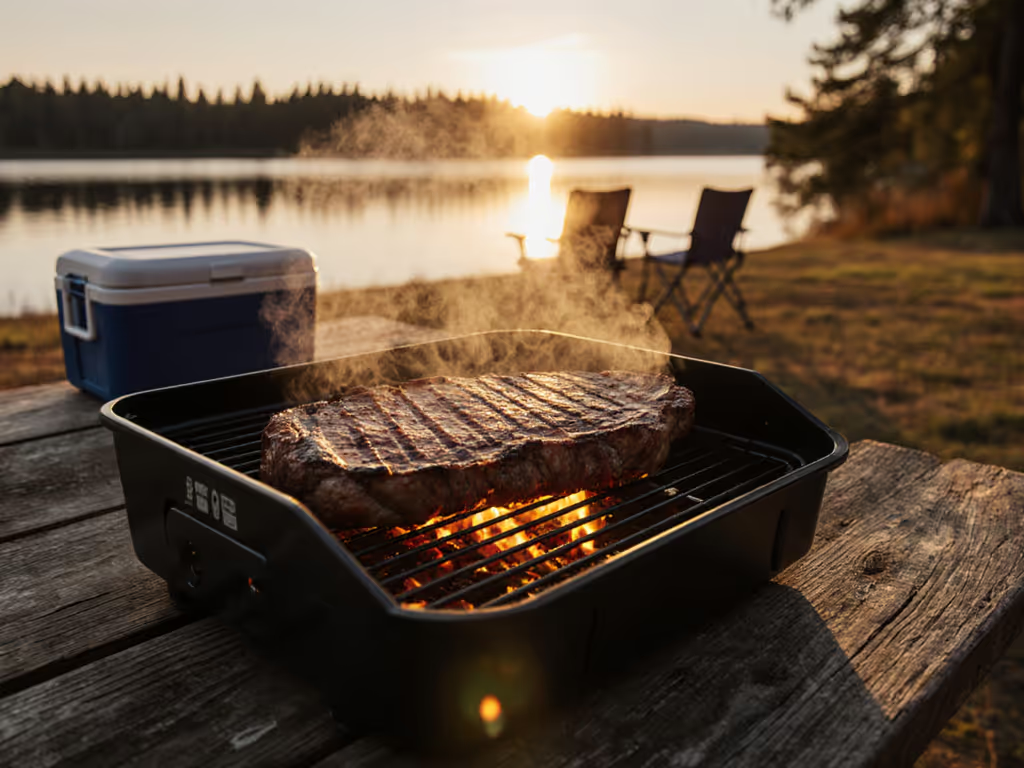
Home smokers play by different rules. They're insulated, draft-controlled, and can afford fuel waste. Portable grills? They battle wind, cold, and cramped space, turning heat transfer physics into a survival skill. Most beginners miss this: wind doesn't just cool your grill; it disrupts convection currents that distribute smoke evenly. At 15 mph, a standard kettle's smoke flow collapses, leaving you with half-cooked chicken and zero smoke ring. For step-by-step setup and vent positioning, see our windproof heat mastery guide. That's why your travel kit needs modular heat management: a windscreen isn't optional (it's physics armor). I use a collapsible steel ring that tucks flat in my pack. Pair it with a cost-per-meal math trick: position your coals diagonally from the wind source. Wind cools the air intake, slowing combustion just enough to stabilize temps without killing airflow. Test it next time (it's free efficiency).
Wood Pellet Chemistry: Pure Fuel, Zero Fluff
Many brands tout "competition blends," but road warriors need simplicity. Let's dissect wood pellet chemistry through a pack-light ethos: If you're still choosing a fuel platform, our portable pellet vs gas comparison breaks down flavor vs convenience for travel.
- 100% hardwood = reliability: Blends with oils or fillers (like some "flavor-enhanced" pellets) combust unevenly in portable rigs. Pure apple or hickory pellets burn clean because they lack volatile binders that flare up in windy conditions. I've tested this cooking chicken on a folding grill at 10°F (the pure-wood pellets held steady while "gourmet" blends spat grease).
- Moisture matters more than you think: Pellets under 8% moisture ignite faster in cold weather, a non-negotiable for trailhead cooks. Every 1% moisture increase raises ignition time by 22 seconds (per USDA Forest Service data). Dry pellets = less fumbling with lighters when your fingers are numb.
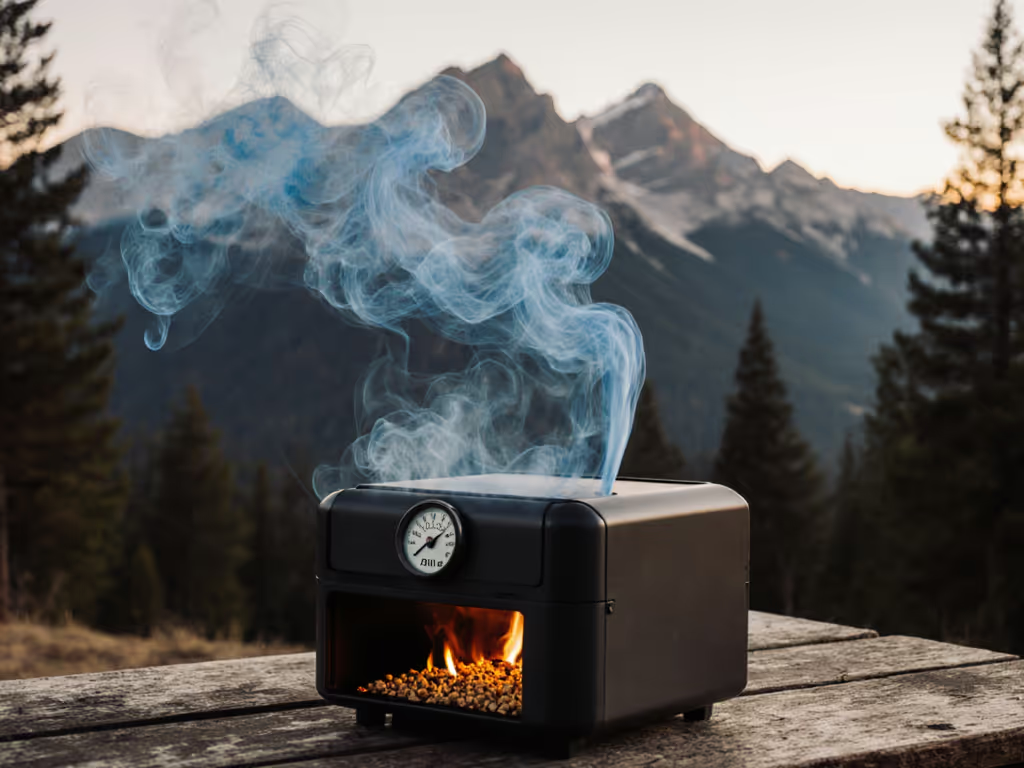
- Pellet size = burn time precision: Standard 1/4" pellets smolder 20-25 minutes in a portable smoker box, perfect for 45-minute chicken breasts. Oversized pellets? They create gaps that let oxygen rush through, burning out before flavor compounds fully develop.
Carry the fuel you can buy twice in any convenience store, gas station, or bait shop. Aluminum canisters beat paper bags for damp climates, and fit sideways in a backpack.
Smoke Rings & Flavor: The Portable Truth
Forget chasing Instagram-perfect smoke rings. In portable setups, smoke ring formation happens only when two conditions align: consistent temps below 170°F and nitric oxide from clean-burning wood penetrating meat within the first 45 minutes. Windy? The ring vanishes. Cold? It shrinks. But here's the empathy twist: flavor compounds like guaiacol (from hickory) and syringol (from apple) still infuse meat even if the ring's faint. My rule? Prioritize taste over aesthetics. For flavor-first buyers, our pellet vs charcoal field test shows how smoke character changes in compact rigs. Applewood's lighter phenols won't overwhelm fish cooked on a park grill, while hickory's robust vanillin works for burgers. No need for a chemistry degree; just match wood to protein in your modular kit mindset:
- Fish/light meats: Apple or cherry (sweet, low-intensity compounds)
- Pork/beef: Hickory or oak (bold phenols that cut through fat)
- Vegetables: Alder (mild, won't char delicate skins)
Your Action Plan: Smoke Anywhere, Anytime
Let's translate science into your next adventure. Use this plain-language checklist for stress-free smoke:
- Fuel flexibility > peak performance: Pack one universal adapter (like a 1lb propane-to-butane converter). It weighs 2 oz but unlocks any fuel source. My cost-per-meal math: $3 adapter saves $15 in emergency fuel buys yearly.
- Pellet prep = time saved: Pre-measure pellets in snack bags (½ cup = 15g). They're lighter than bulk bags and prevent spills in your pack. Pro tip: Fold the bag's top twice, no clips needed.
- Wind defense protocol: Place your grill so wind hits the exhaust vent, not the intake. This creates negative pressure that pulls smoke through food instead of scattering it. Need quick hardware tweaks? Try these 2-minute wind fixes you can DIY on any portable grill.
- Cleanup hack: Line your smoker box with foil before adding pellets. Peeling it out post-cook avoids ash in your gear. One less worry in your pack-away. Then bookmark our portable grill cleaning guide for fast travel prep.
The Final Sear: Pack Confidence, Not Gear
Portable smoke isn't about replicating a $5,000 smoker. It's about the certainty that your kit handles the variables: the sudden chill, the surprise gust, the fuel station 20 miles back. Master the modest science of wood pellet chemistry, and you'll never second-guess your grill again. Tomorrow's adventure might start at a trailhead, a dock, or a station platform, but your smoke should always be ready. Carry the fuel you can buy twice in, then hike, bike, or train straight to flavor. Your next move? Grab those pre-portioned pellets, tuck them beside your adapter, and go. The coast's waiting.