Portable Cast Iron Seasoning: Rust Prevention & Cleanup
By Keon Park • 4th Apr

When you're managing cast iron care in portable setups across multiple environments (beachside trips, van life, rooftop dinners), your seasoning strategy becomes the difference between a skillet that rusts before Labor Day and one that outperforms year-round. Portable grill seasoning techniques and rust prevention aren't afterthoughts; they're core systems that determine whether your cast iron stays field-ready or becomes a storage casualty. This guide walks through the quantifiable steps, thresholds, and tradeoffs that keep portable cast iron functional from pack to plate.
What Is Cast Iron Seasoning, and Why Does It Matter for Portable Use?
The Science Behind the Coating
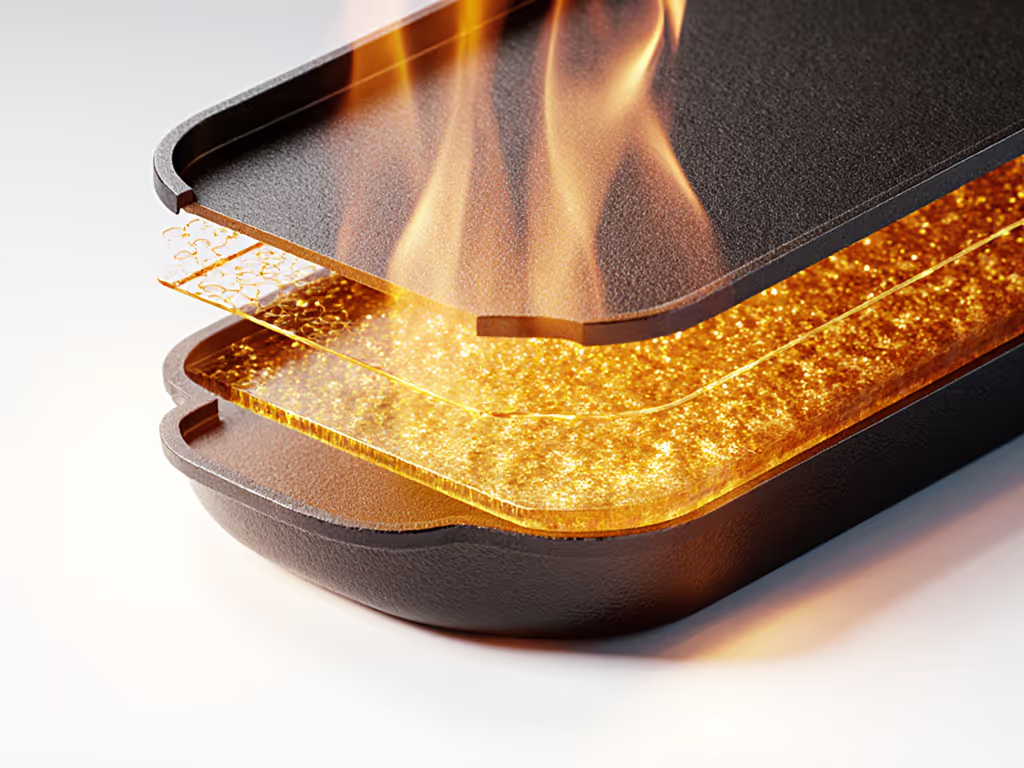
Seasoning is the process of baking thin layers of polymerized oil into the surface of cast iron to create a non-stick coating and a rust barrier[2]. Each use strengthens this layer, making good cast iron maintenance imperative, especially in mobile contexts where you can't replace a damaged pan mid-trip[2].
At the microscopic level, seasoning fills the pores of the skillet[4]. The goal is to allow these microscopic layers of oil to build up over time, creating a smooth surface that becomes genuinely non-stick[4]. In portable scenarios where you're cooking over variable heat sources (camp stoves, charcoal, open flame), a well-seasoned surface also resists rust from moisture exposure and salt spray far more reliably than bare metal. If you cook near the ocean often, see our salt-resistant portable grills for gear that stands up to coastal conditions.
Unlike a bulky cast iron Dutch oven that lives on a home stovetop, portable cast iron faces repeated thermal shock, humidity swings, and saltwater or sand exposure. A weak seasoning layer fails within weeks. A robust one survives years of van storage, beach trips, and damp climates.
Why Pre-Seasoning Isn't Enough
Most modern cast iron cookware arrives pre-seasoned from the factory with wax or vegetable oil to prevent rust during shipping[1]. However, this industrial coating is not equivalent to a field-ready seasoning[5].
That factory layer often consists of industrial grease and requires a thorough removal before building your own seasoning foundation[5]. The reasoning is straightforward: if you don't know what's on your pan, you can't predict how it will perform in real conditions. On a blustery pier with an 18-mph crosswind, I traced heat loss and flame stability across multiple portable grills one evening. A nearby jumbo model with poor wind management sputtered while a compact unit with a foil wind skirt held temperature steady. But the deciding factor was simpler: the compact grill's seasoning was field-tested and consistent. The jumbo unit's pre-seasoned surface degraded unpredictably under repeat heating and cooling cycles. For stabilizing flames in gusty conditions, try these wind-control fixes.
This is why the first step is cleaning, not cooking.
How Do You Properly Clean and Prepare Pre-Seasoned Cast Iron?
The removal process quantifies to a few clear thresholds:
Step 1: Strip the Factory Coating
Use steel wool and soap to scrub the skillet, revealing as much bare grey metal as you can[5]. This is the only time steel wool is acceptable on your pans. Apply moderate pressure and work in circular motions until the shine is gone. Thoroughly rinse and hand dry[2]. For a complete travel-friendly routine, follow our portable grill cleaning guide.
Alternatively, if you have access to a portable burner outdoors, burn off the factory coating on high flame for several minutes[1]. You want the pan to have no shine from the pre-seasoning[1]. Let it cool completely, then wash with soap and water and dry[1].
Step 2: Inspect for Pitting or Damage
Once bare, check the surface for deep pits, cracks, or warping. Minor surface imperfections are normal; major structural damage means the pan won't hold seasoning evenly and isn't worth the effort.
What's the Best Method to Season Portable Cast Iron?
The Oven Method (Highly Recommended for Portable Use)
The oven method is the most effective at protecting the pan and is remarkably easy, almost set-it-and-forget-it[3].
Process:
- Coat the cookware with a very thin, even layer of cooking oil (inside and out)[2]. Use only about a teaspoon of oil. Excess coating creates uneven polymerization and sticky buildup[4].
- Place the skillet upside-down in your oven on the lowest rack[2]. Spread aluminum foil below it to catch any drips.
- Bake for 30 minutes to 1 hour at 450-500 degrees Fahrenheit[2][4]. You'll see smoke radiate from the pan as the oil polymerizes[4], once the smoke clears, polymerization is complete.
- Turn off the oven but leave the skillet inside to cool slowly[4]. This slow cooling helps solidify the layers of seasoning you've just baked in.
- Repeat this process multiple times (at least 3-6 coats for a new pan) to build durable protection[5].
Portable Context: For van life or temporary storage scenarios, aim for 3 coats minimum before your first trip. During the first year, your skillet will likely need an additional seasoning every 2-3 months until a protective layer builds up[5].
Oil Selection: Which Oils Polymerize Best?
Cast iron cookware can be seasoned with any cooking oil or fat, but specific oils polymerize more reliably than others[2].
Recommended Oils (High Smoke Point):
- Vegetable oil, canola oil, or melted shortening (most accessible, affordable, and efficient)[2]
- Grapeseed oil or avocado oil (higher smoke points, ideal for high-heat scenarios)[4]
These oils are preferred due to their accessibility, affordability, efficiency, and high smoke points[2]. Critically, avoid pushing oil beyond its smoke point during seasoning; polymerization stalls and the layer becomes fragile.
Oils to Avoid or Use Sparingly:
- Lard or animal-based fats (traditional but may go rancid if the cookware is stored for extended periods)[2]
- Olive oil or flaxseed oil (lower smoke points; require extra research on timing and temperature thresholds)
How Do You Maintain Portable Cast Iron Between Trips?
Cast Iron Maintenance Travel Protocol
Between trips, storage conditions determine rust risk more than anything else. Moisture is the enemy.
Immediate Post-Cook (On-Site):
- Wipe the pan with a dry cloth or paper towel while still warm.
- If water is available and you must rinse, do so immediately and dry thoroughly.
- Never leave cast iron wet overnight.
Storage (At Home or Van):
- Store in a dry location, ideally wrapped in a cloth or stored in a sealed case to minimize humidity exposure.
- In coastal or humid climates, consider wrapping the seasoned surface lightly with a high-smoke-point oil-soaked cloth.
- Avoid storing directly against materials that retain moisture (canvas, untreated wood).
When Should You Re-Season a Portable Pan?
You'll know when re-seasoning is necessary if the surface shows:
- Dull, pitted areas where food begins to stick more than usual
- Visible rust spots (light surface rust can be cleaned, but widespread rust signals seasoning failure)
- Grey or mottled patches indicating bare metal
Wind exposes the truth your spec sheet won't, and so does time in storage. If your pan sits unused for months, a quick single-layer re-seasoning in the oven (450°F, 30 minutes) refreshes the surface before the next trip.
Scenario-Based Maintenance Thresholds
| Use Frequency | Re-Seasoning Interval | Rust Risk |
|---|---|---|
| Weekly use (year-round) | Every 6-12 months | Low |
| Monthly trips | Every 2-3 months (first year); then 6 months | Moderate |
| Seasonal use (3-4 months/year) | Before storage; once midseason | Moderate to High |
| Rare/occasional | Before each trip after 2+ months idle | High |
For van life or RV storage, the ambient humidity and ventilation matter as much as frequency. A poorly ventilated locker in coastal climates accelerates rust even with frequent use. For seasonal shutdowns and long-term storage, use our portable grill winter storage guide.
What's the Simplest On-The-Go Cleaning Approach?
Clean Outdoor Grill Grates Quickly
When you're relying on cast iron for portable cooking, extended cleanup routines kill the appeal. Here's the field-tested minimum:
- Allow the pan to cool to warm (not touch-safe, but cool enough to handle with a cloth).
- Wipe out food residue with a dry cloth or crumpled foil.
- If stuck-on food remains, use a small amount of water and a soft brush; avoid steel wool unless truly needed.
- Dry completely with a clean cloth.
- Optional: apply a micro-thin layer of oil to the cooking surface before storing, then buff out excess.
This process takes under 3 minutes and keeps the seasoning intact between uses. No soap (except during initial factory coating removal). No aggressive scrubbing.
Key Takeaways: Seasoning on the Go
Rust prevention in portable setups depends on three non-negotiable steps:
- Strip pre-factory coating before your first use, don't assume it's field-ready.
- Build seasoning with 3-6 oven coats at 450-500°F, using high-smoke-point oils.
- Maintain dryness between trips and refresh seasoning annually or as surface condition indicates.
A portable cast iron skillet that moves between your van, a rooftop, a beach, and a tailgate survives (and thrives) only if its seasoning is intentional and repeatable. The difference between field failure and five-year reliability is the willingness to quantify maintenance thresholds and stick to them.
Further Exploration
Ready to move beyond the basics? Consider researching stovetop seasoning methods for quick touch-ups mid-trip, or dive into restoring vintage cast iron inherited from previous owners (a common scenario for minimalist travelers who source gear secondhand). Each approach trades speed for durability; the key is matching the method to your travel rhythm and storage environment. The skills transfer directly to carbon steel cookware and griddles, which follow similar polymerization principles and benefit from the same intentional maintenance approach.