Small Travel Grill Guide: Host Small Spaces
By Keon Park • 19th Feb
The Real Problem with Portable Grilling
A small travel grill promises freedom. What you actually get, at least from most options, is compromise shuffled around. You trade cooking surface for packability, heat output for portability, or storm stability for weight. The disconnect between what marketing claims and what happens when you hit the road separates the rigs that actually live in your car or pack from the ones that gather dust.
Your real question isn't "What's the best portable travel grill?" It's "What rig won't betray me in wind, won't require a PhD to ignite, and won't leave me scrubbing grease from my trunk at midnight?" This guide cuts through spec-sheet theater and sizes up portable grills by the metrics that matter: flame stability in real weather, actual setup time measured in seconds, and whether you'll still be grilling six months from now or arguing with rusted hinge clips.
FAQ: Choosing Your Small Space Grill
What Size Cooking Surface Actually Serves a Small Gathering?
The marketing answer: "Our 320 square inches feeds up to six." The realistic answer: depends on what you're cooking and whether you're also searing.
For intimate groups (two to four people, or a six-person meal where everyone waits in turn) you need at minimum 200 to 250 square inches of active cooking zone[1][2]. That's roughly the footprint of a sheet of paper. Anything smaller becomes a cramped broil session. Anything larger and you're hauling deadweight across parks.
Weber's Traveler model, for example, delivers 320 square inches on a single cast-iron grate[1][2]. That gives you enough room to sear four thick steaks or a dozen burger patties in one batch without crowding. But more important than gross area is usable depth: you need 16 to 18 inches front to back so food doesn't jostle into flames or cook unevenly[2].
If you're cooking for couples or small families on regular weekends, 200-280 square inches is your sweet spot. See our best portable grills for two for compact picks that hit this range without wasted space. Anything below 150 and you'll find yourself flipping burners off and rotating food halfway through. Anything above 400 and you're paying for space you won't use.
How Do You Know a Grill Won't Fail in Wind?
Wind exposes the truth your spec sheet won't.
Manufacturers don't test at 15 mph. They test in calm conditions and hand you a BTU number. That number tells you almost nothing about whether your flame survives a lake breeze or holds steady on a blustery pier.
Real wind resilience comes down to three factors:
1. Burner Design and Shielding - Open burner tubes without deflectors or Flavorizer bars will flicker in crosswind. Closed-burner designs with shields or baffles buffer gusts. A foil or metal wind skirt (often sold separately or DIY-able) creates a microclimate around the cooking zone and can stabilize flame in 12-18 mph conditions[1].
2. Ignition Redundancy - If wind kills your pilot light or single piezo ignition fails, you need a manual backup. Match-light capability or a secondary piezo prevents you from standing over a cold grill looking foolish[1][3].
3. Tank and Regulator Positioning - Heavy, low-mounted fuel tanks prevent tipover in uneven terrain. Sealed regulators (not fully exposed) resist moisture and deliver steadier pressure when tanks are sitting in damp grass or sand for hours[2].
A simple test: watch the flame when you blow gently at the cooking surface. If it sways but doesn't extinguish, you're in the ballpark. If it goes out, you've found your dealbreaker. For step-by-step wind tactics and quick fixes, check our windy-day grilling fixes.
Which Fuel Type Is Truly Practical for Your Lifestyle?
Five options dominate: propane (1 lb and 20 lb cylinders), butane, charcoal, pellets, and electric. Each has a friction curve. If you’re choosing between fuels, our fuel type comparison breaks down flavor, heat control, and setup time.
Propane (1 lb cylinder): Lightest option per cook session. A 1 lb propane canister weighs 1 to 2 pounds and fits in a backpack[1][2]. Cost per meal is roughly $2 to $4. Downside: 1 lb runs out in 1.5 to 3 hours depending on burner load. That's fine for a two-person dinner; inadequate for eight people or a full day of tailgating. Upside: available everywhere (any gas station, grocery store, or hardware shop)[2].
Propane (20 lb tank): The standard backyard cylinder. Weighs 35 to 45 pounds full. Fits in a car trunk or RV locker. Runs 10 to 30 hours depending on burner power. Cost per meal drops to $0.50 to $1.50. Downside: difficult to carry on foot or bike; sits in your vehicle as deadweight if you're not grilling that week[1].
Butane: Lighter than propane in cartridge form. Problem: butane boils at 31°F. Use it in cold weather and it simply won't vaporize from the canister into gas[1][3]. Winter camping or high-altitude trips? Butane fails unless you wrap canisters in hand warmers and shield them from wind.
Charcoal: No fuel dependency: charcoal is charcoal. Provides superior smoke flavor and searing power (that deep Maillard crust you get at 600°F on a well-tuned charcoal grill)[2]. Downside: requires chimney, lighter, or match; generates ash that needs containment; many parks ban open charcoal fires[2]. Setup time is 15 to 20 minutes. Cleanup involves waiting for coals to cool (2+ hours) before bagging.
Pellets: Wood flavor with the convenience of a dial. Requires electricity (AC cord or battery pack) for the feed fan. Initial preheat is 10 to 15 minutes. Fuel is heavy (8 lb hoppers are standard) and messy to store. Good for established campsites; poor for frequent relocation[2].
Electric: Zero flame, zero smoke, zero fuel dependency. Works on balconies, patios, and boat decks where fire codes forbid gas or charcoal[2]. Heat output maxes around 450°F, which is fine for burgers but poor for high-temp searing. No cleanup ash or grease spill in your car.
Winner by scenario:
- Weeknight two-person picnic: 1 lb propane (3 lbs of gear, 15 minutes door-to-eat).
- Full-day tailgate for six: 20 lb propane (stable fuel, familiar setup, no refill mid-event).
- Mountain camp in cold: charcoal (butane will disappoint; propane thins at altitude).
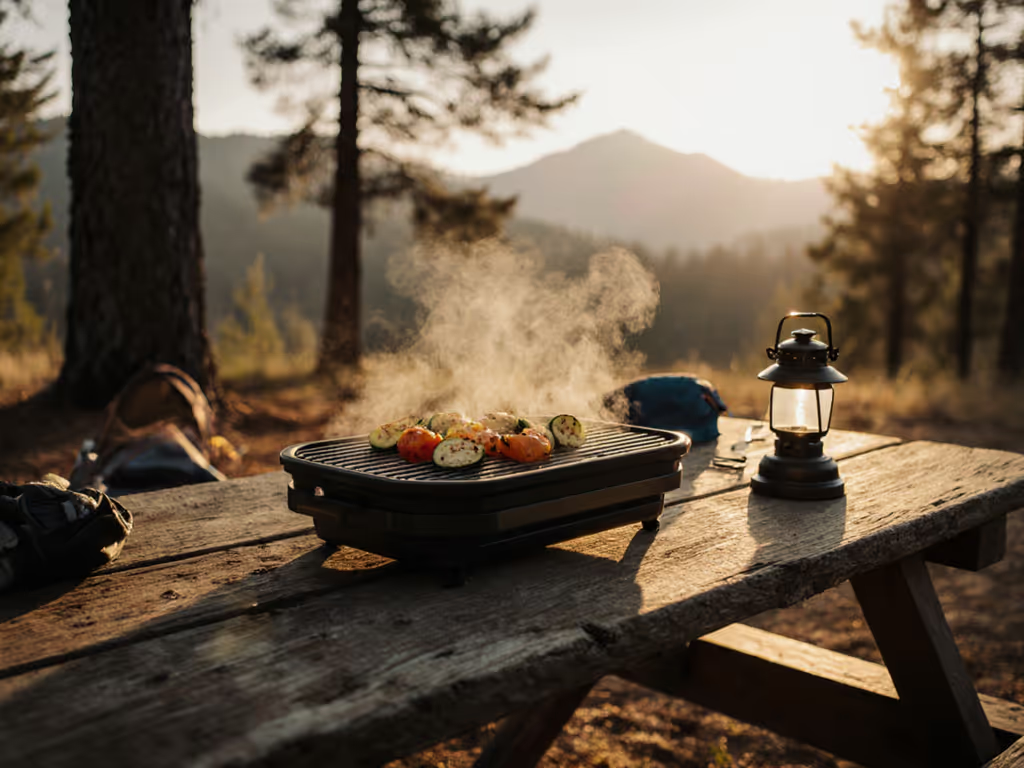
- Balcony or fire-ban zone: electric (legal, smell-free, no neighbors upset about smoke). See the top picks in our best portable electric grills for balconies guide.
- Smoke flavor is non-negotiable: charcoal or pellet (gas is a flavor compromise).
How Fast Can You Actually Go From Car to Flame?
Marketing says "5 minutes." Real-world test: 1.5 to 3 minutes is the realistic range for most portable rigs, assuming flat ground and familiar assembly[1][3].
Weber Traveler: The cart design means legs lock into place with a single step-and-twist[2]. Tank screws on (20 seconds). Ignition (5 seconds). You're cooking in 90 seconds. This is faster than many people expect, and it's a major reason this model dominates field-test rankings.
Charcoal kettles: You fill the firebox, light tinder, wait for coals to heat. 15–20 minutes minimum. Don't trust anyone who claims 5-minute charcoal cookouts, they're lying.
Pellet grills: Fan needs to spin, auger needs to feed, RTD sensor needs to stabilize temperature. 12–15 minute preheat. Better than charcoal, slower than gas.
The friction point: wobbly legs, missing hardware, rusted bolts, or unclear assembly order can double setup time. This is why field-tested models with solid carts (like the Traveler) consistently score higher than ultra-cheap tabletop units[2][3]. The $30 you save buying a knock-off folding kettle is paid back the first time you're standing in grass trying to twist four loose legs into a stable stance before a group of hungry people.
What About Cleanup: Do Grease and Ash Really Ruin Your Car?
Yes. Every time.
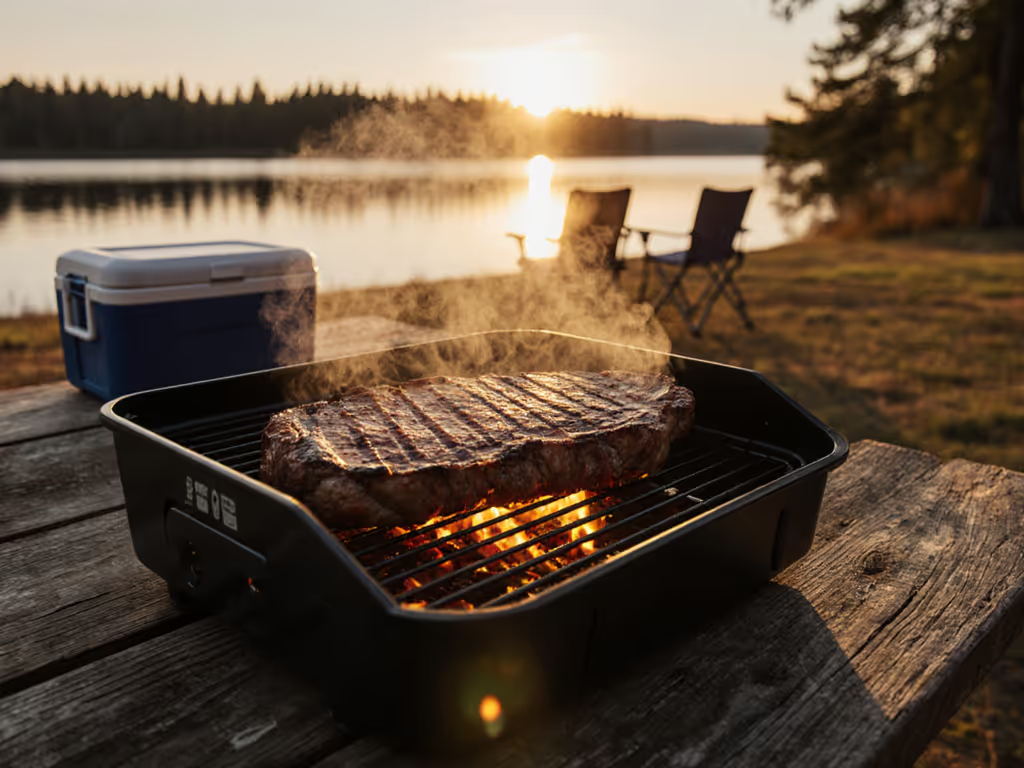
A hot grate holds residue. A freshly cooked grill left in your trunk for the drive home will leak grease and drippings. You won't notice until day two, when a grease stain has set into carpet or the smell has set into upholstery.
Charcoal ash is worse: it's light, gets into everything, and oxidizes into a fine powder that won't wipe out[2]. Get step-by-step routines in our portable grill cleaning guide.
Solutions that actually work:
- Cooling protocol: Set the grill on the ground, prop the lid open, wait 15–20 minutes before stowing. Use a shop towel or small tray to capture drippings from the drip pan. Empty the drip pan entirely before driving[1][2].
- Grease catch: Aluminum drip pan liners ($3 for 20) are single-use and keep oil off the grill body. Toss one after every cook.
- Ash containment: For charcoal, use a dedicated ash can with a tight-fitting lid. Don't dump ash directly into the firebox when cool; shovel it into the can[2].
- Heat-resistant case: If you're grilling multiple times a week, a canvas or neoprene carry bag (often $40–80) lets you pack the grill while still warm without burning the bag. Buy one sized snugly to your model; oversized cases trap heat and moisture.
The compact models (Weber Q, Traveler, Nomad) keep grease management simple because they're smaller vessels[1][2]. Ultra-portable tabletop units often lack drip pans entirely; they're cheap compromises that force you into car cleanup hell.
How Stable Is a Grill on Sand, Grass, or Uneven Ground?
Stakes and outriggers matter more than you'd think. A grill with four thin legs sinks into soft ground and tips in a breeze. One with wide, locking feet or a cart-style frame with big wheels tracks across gravel and grass without bogging[1][2].
Field test: Place the grill, load one side of the grate with a cast-iron skillet, and push firmly. If it rocks or feels tippy, it will scare you when a 2-year-old leans on the handle or a gust hits while you're mid-flip.
The Traveler's wheels and low center of gravity make it stable on almost any terrain[2]. Tabletop models with tripod legs require either a table (adding weight and setup time) or a lot of adjusting legs for level ground.
Sand and saltwater environments demand corrosion-resistant materials: painted steel rusts; stainless steel and powder-coated aluminum last years longer[1][2][3].
What Temperature Range Do You Actually Need?
You don't need 600°F if you never sear. You do need steady heat at your preferred cooking zone.
For burgers and hot dogs: 350–400°F is ideal. Most portable gas grills hit this easily[1][2].
For steaks and chicken skin: 450–550°F gives you the Maillard reaction (that flavorful crust). Gas grills with good burner coverage reach this; tabletop units often top out at 400°F[2].
For low-and-slow smoking or covered braising: 225–350°F with the lid closed. Charcoal and pellet grills excel here. Gas grills often can't throttle down that low without flame-out; you end up cooking at 350°F minimum[2][3].
Real-world win: A grill that holds steady at 325°F and 450°F with reliable lid/vent control beats one that claims 600°F max but overshoots or fluctuates[2]. Dial accuracy and response time matter more than the ceiling.
Small Travel Grill Standouts: What the Tests Reveal
Gas Grills
Weber Traveler (320 sq in, 49 lbs) - Dominates field testing because it solves the cart problem[1][2]. You get comfortable cooking height (no hunching), a side shelf, and wheels that actually work on sand and grass. Setup is genuinely one-person in under 2 minutes. Fuel flexibility: works with 1 lb or 20 lb propane. Single burner means no zone control (you can't sear on one side and warm on the other in parallel), but even heat distribution and sturdy cast-iron grate keep results consistent[1][2]. Real-world pricing is $250-350, and it holds value; people actually use this model season after season[1][3].
Weber Q-1200 (189 sq in, 27 lbs) - Compact enough to fit a backpack or motorcycle pannier[6]. Piezo ignition, twist-on 1 lb propane, full stainless-steel body. Cooking area is tight but adequate for two to four people cooking in rotation[6]. Price is $200-280. Downside: smaller grate means longer cook times if you're feeding six, and fewer heat zones[6].
Charcoal Kettles
Weber Original Kettle (22-inch) - Classic design, affordable ($100-150), and delivers outstanding searing at 600°F[2][3]. Two-zone cooking (coals banked to one side) lets you sear and finish. Downside: 15+ minute setup, ash management headache, and fire bans exclude it from many parks[2][3]. Best for established campgrounds and backyard setups where you return to the same spot.
Pellet Grills
Traeger Tailgater - Portable pellet grill with 8 lb hopper, folding legs, runs 185-450°F[2]. Temperature control is dial-based (not digital), steady-state cooking is reliable, and it delivers real smoke flavor[2]. Setup time 12–15 minutes; preheat adds another 10. Hopper capacity means you won't refill mid-cook for shorter sessions. Cost: $300–400. Tradeoff: heavier than gas (40+ lbs), requires outlet or battery fan, and pellets are bulkier to haul than propane[2].
Electric Option
Weber Lumin - No flame, no fuel, works on any electrical outlet[2]. Preheat is fast (under 5 minutes), temperature holds steady[2], and there's zero fire risk on a balcony. Cook top heat reaches 450°F, decent for burgers but limited for hard sear. Advantages: silent, zero smoke, easy cleanup[2]. Drawback: tethered to an outlet (no remote tailgates or beach setups unless you have a generator)[2].
Summary and Final Verdict
Choosing a small travel grill is not about finding the most powerful or feature-loaded option. It's about matching real-world constraints to realistic cooking needs.
If you prioritize speed and packability: Gas is your answer. The Weber Traveler leads because a solid cart and sub-2-minute setup align with the mobile lifestyle. 1 lb propane works for two-person dates; 20 lb propane sustains group tailgates.
If smoke and sear are non-negotiable: Charcoal delivers flavor at the cost of time and setup friction. Expect 20-minute preheat and dedicated ash management. Reserve this for campgrounds, not spontaneous park cookouts.
If you're cooking on a balcony or in a fire-ban zone: Electric (Weber Lumin) removes legal and neighbor friction. Trade raw searing power for reliability and zero smoke.
If you cook in cold weather or high altitude: Propane (not butane), because butane won't vaporize below freezing[1][3]. Pellet grills also perform well in cold[2].
If you lack car storage and want to carry gear on a bike or backpack: Keep total weight under 10 lbs. The Weber Q-1200 at 27 lbs is borderline; purpose-built backpacking burners (not in traditional grill form) go lighter.
The real-world winner for most people (couples, small families, weekend adventurers with car access) is a 1 lb propane burner for solo trips and weekend meetups, paired with a 20 lb rig or rental at established campsites. This two-tier approach avoids the false choice of picking one grill for all scenarios. The 1 lb canister (under 3 lbs loaded) solves weight anxiety. A cart-style 20 lb rig parked at a cabin or campground handles the full group cook without compromise.
Don't chase spec sheet BTUs or claimed temperatures. Field-tested grill performance (flame stability in wind, honest setup time, fuel access in your region, and cleanup friction) determines whether you'll actually cook next weekend or find an excuse to skip it. Your ideal grill isn't the one with the longest feature list. It's the one you'll grab on a Thursday evening without thinking twice.
Related Articles